
Police arrests are among the most watched and discussed moments in American law enforcement. Whether captured on body cameras, security footage, or bystanders’ smartphones, arrest videos often attract millions of views online and generate intense public debate.
In the United States, law enforcement officers are trained to follow specific procedures when taking a suspect into custody. While every situation is different, the primary objective is to safely secure the individual while protecting officers, bystanders, and the suspect.
Most arrests begin when officers establish probable cause that a crime has been committed or when they are executing a valid arrest warrant. Officers typically identify themselves, issue verbal commands, and attempt to gain compliance before physically restraining an individual.
When a suspect cooperates, arrests are usually completed quickly and without incident. However, situations can become more complicated when individuals refuse commands, attempt to flee, or actively resist officers. In those cases, officers may use approved restraint techniques to gain control of the situation.
Body cameras have become increasingly important in modern policing. Thousands of law enforcement agencies across the country now equip officers with body-worn cameras that record interactions with the public. These recordings help provide transparency and can later be reviewed by investigators, courts, and oversight agencies.
Public scrutiny of police encounters has increased significantly in recent years. High-profile incidents have led to nationwide discussions about police accountability, training standards, and the appropriate use of force. As a result, many departments have updated policies, expanded training programs, and invested in new technologies designed to improve transparency.
Experts say that understanding police procedures can help citizens better navigate encounters with law enforcement. Remaining calm, following lawful instructions, and avoiding sudden movements can often reduce tension during an interaction.
Law enforcement agencies continue to emphasize de-escalation techniques whenever possible. Many departments now provide specialized training focused on communication, crisis intervention, and conflict resolution to help officers safely manage difficult situations.
While arrest videos frequently attract attention online, experts caution that short clips often do not provide complete context. Investigations typically rely on multiple sources of evidence, including body camera footage, witness statements, police reports, and surveillance recordings.
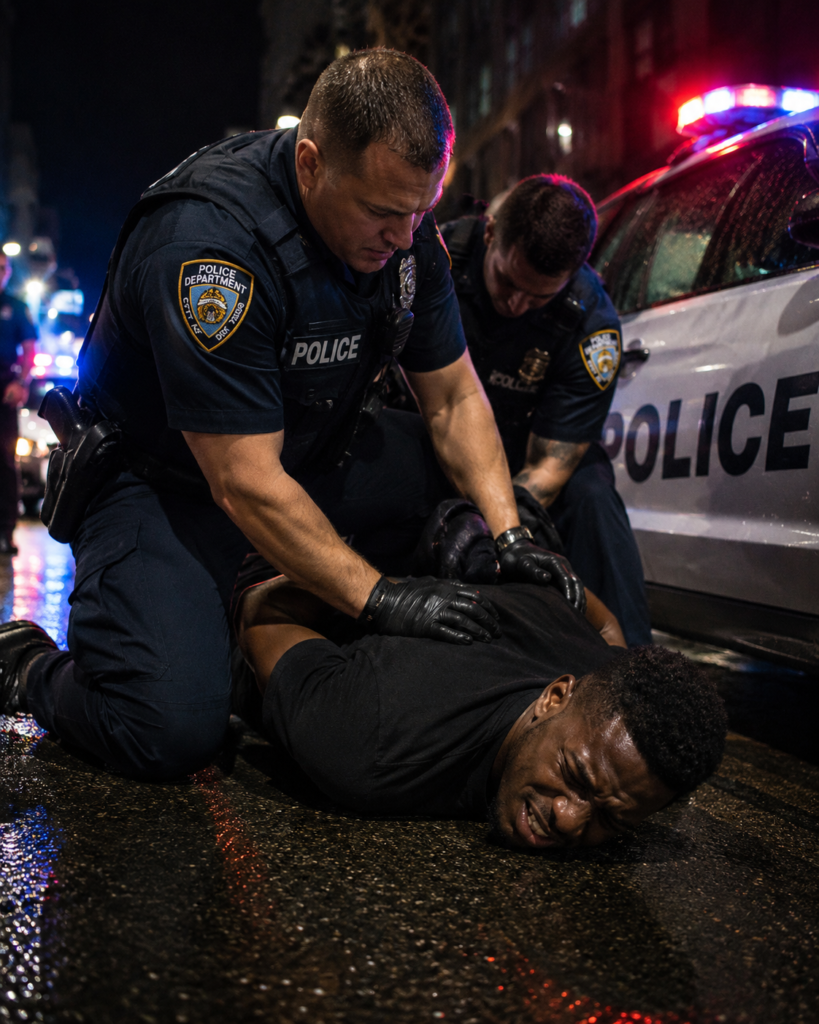
As technology continues to evolve, public access to police interactions is likely to increase. The growing presence of cameras in everyday life means that many law enforcement encounters are now documented from multiple angles, creating greater transparency but also increasing public scrutiny.
Understanding how arrests are conducted and how investigations are reviewed remains an important part of informed public discussion about law enforcement in America.





Leave a Reply