
One of Europe’s most ambitious defense projects has officially fallen apart after years of delays, disputes, and behind-the-scenes tensions.
France and Germany have reportedly scrapped plans to jointly develop a next-generation fighter jet, dealing a major blow to Europe’s hopes of strengthening its military independence and competing with the world’s most advanced defense powers.
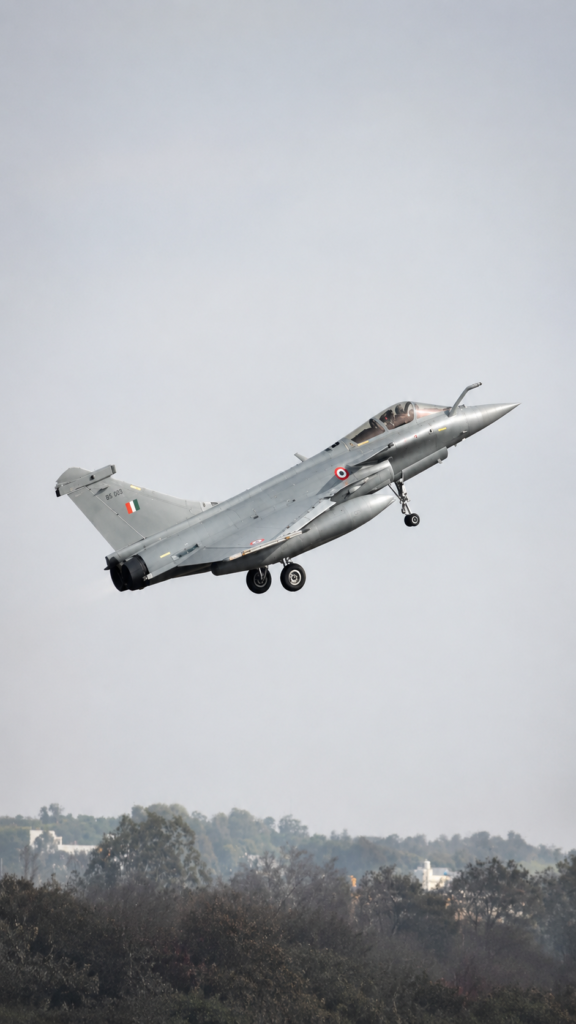
The project, known as the Future Combat Air System (FCAS), was launched with the goal of creating a sixth-generation combat aircraft that would eventually replace France’s Rafale jets and Germany’s Eurofighters. The vision extended far beyond a single aircraft, incorporating advanced drones, artificial intelligence, and cutting-edge battlefield communication systems.
For years, European leaders promoted the initiative as a symbol of closer defense cooperation and a step toward reducing reliance on foreign military technology. However, disagreements between key industrial partners continued to slow progress.
At the center of the conflict were disputes over leadership, technology sharing, intellectual property rights, and control of critical components. Despite multiple attempts by political leaders to keep the program alive, negotiations reportedly failed to bridge the growing divide between the companies involved.
The collapse of the project raises serious questions about Europe’s ability to deliver large-scale joint defense programs at a time when security concerns across the continent are increasing. Many analysts view the decision as a significant setback for Europe’s long-term military ambitions.
While parts of the broader program, including drone and communication technologies, may still move forward in some form, the cancellation of the fighter jet itself represents a major strategic defeat for one of Europe’s most high-profile defense initiatives.
For supporters of a stronger and more independent European defense industry, the news is a disappointing reminder that political ambitions and industrial realities do not always align.
And now, a project once expected to define the future of European air power has become another example of how even the biggest plans can unravel when partners can’t agree…





Leave a Reply