
Your ears may be smarter than you think. According to specialists, the body already has a built-in system for keeping the ear canal clean, so there’s no need to dig around in there.
For generations, many people have reached for Q-tips to “clean” their ears. Some swear by the ritual after every shower, while others do it once a week, if at all. Experts, however, strongly advise against the habit.
A pack of Q-tips | Source: Getty Images
Even the packaging carries a specific warning: “Do not insert swab into ear canal.” A damp washcloth is fine for cleaning around the outside of your ears, but putting objects inside them to remove earwax is best avoided.
Medically referred to as cerumen, earwax forms a protective layer that shields the skin inside the ear canal from water, dust, and infectious agents. It also lubricates the skin to prevent dryness and offers mild antibacterial and antifungal benefits.
In an ideal scenario, earwax manages itself. “The number one thing to do with regard to earwax is to do nothing. The ears are one of God’s great self-cleaning devices,” says William H. Slattery III, M.D., an otolaryngologist at the House Ear Institute in Los Angeles.

A woman cleaning her ears with a Q-tip | Source: Getty Images
“Ears are self-cleaning,” adds Dr. Angela Peng, an otolaryngologist at Baylor College of Medicine. “There are mechanisms in the ear canal that make earwax slowly migrate toward the outer portion of the ear canal. Sometimes the wax will fall out on its own.”
Peng notes that the amount of wax your ears make comes down to the genetics of your ear canal skin. Some people are prone to eczema, while others naturally have oily or waxy skin, and both groups tend to produce more earwax.
People who have had previous ear surgeries or chronic ear infections are also likely to have more earwax. Even so, cotton swabs and Q-tips aren’t the answer.
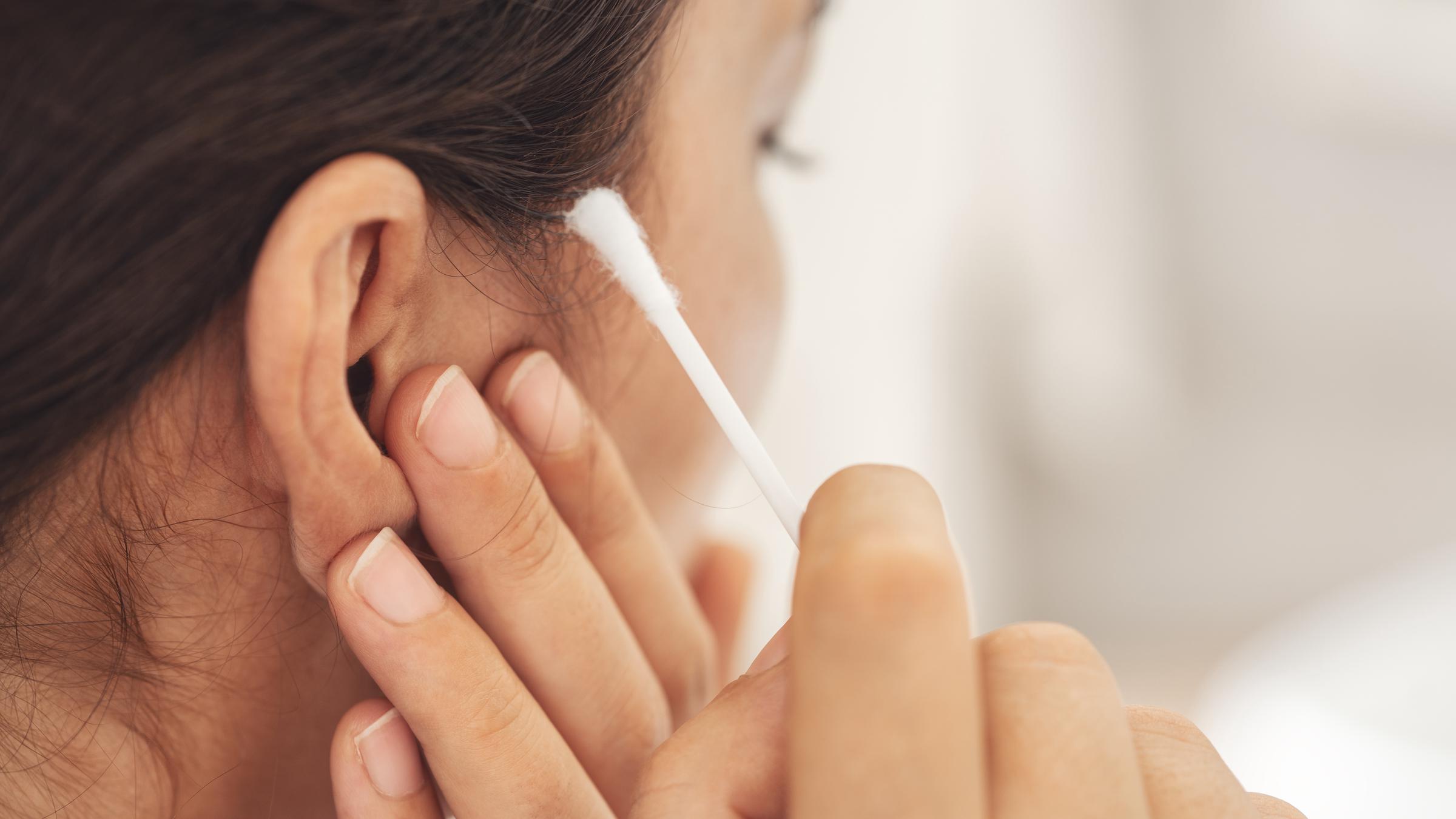
A woman cleaning her ears with a Q-tip | Source: Getty Images
Peng points out that although these items slip easily into most people’s ear canals, they actually shove whatever is inside deeper and compact it. As a result, the wax has an even harder time making its way out on its own.
Q-tips can also cause micro abrasions in the ear canal, leaving it more vulnerable to infection and irritation.
“Inserting anything into the ear canal means that you are risking damage to your ear canal, the ear canal skin, possibly your eardrum and hearing bones,” Peng said.
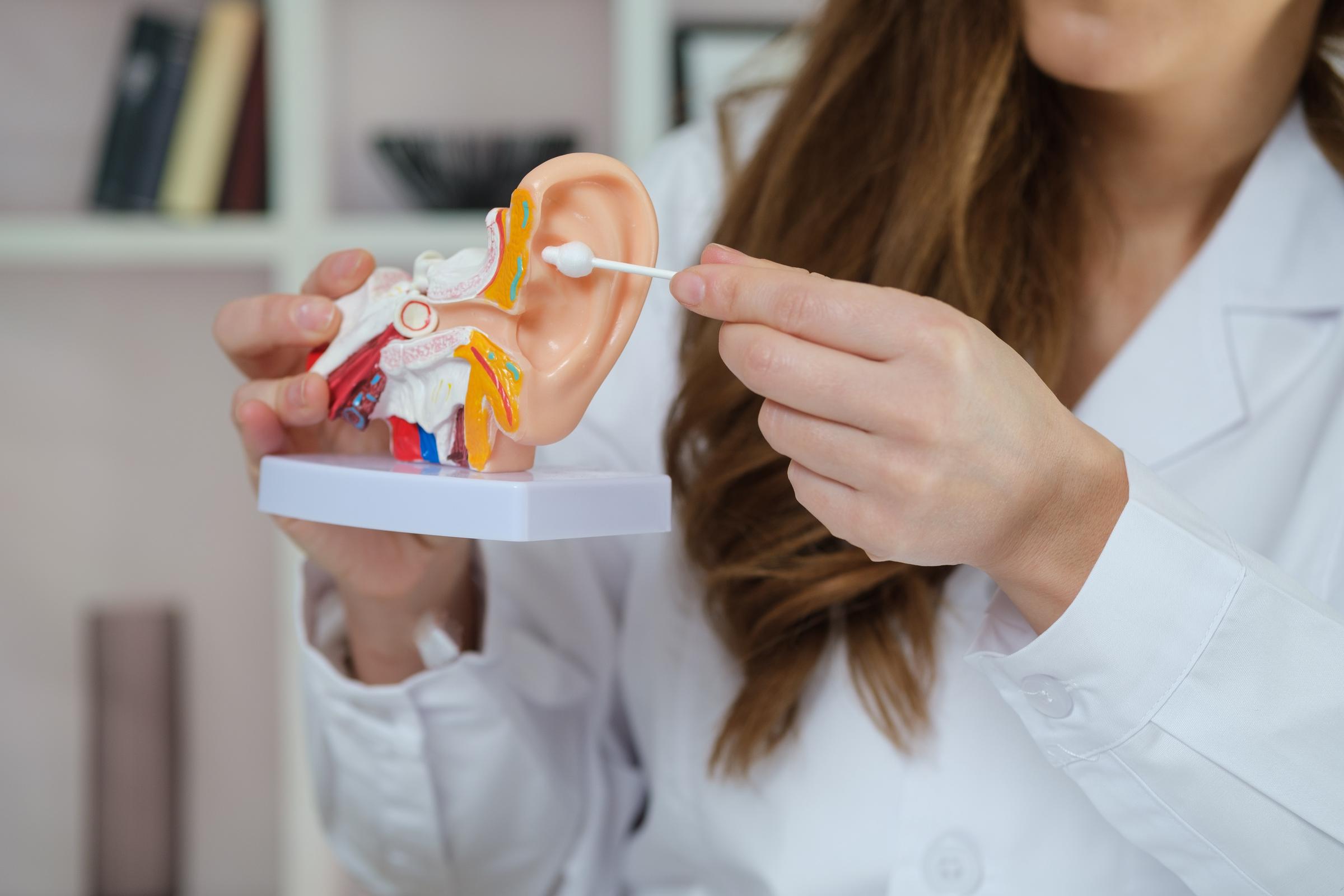
A doctor holding a model of the inner ear | Source: Getty Images
Expert surveys indicate that about roughly half of the U.S. population experiences some degree of earwax impaction, which happens when wax gets jammed into the ear canal and plugs it.
“If you get enough wax pushed back there, it can completely block the ear canal,” says Dr. Brett Comer, an assistant professor of head and neck surgery at the University of Kentucky.
That blockage can cause pain or muffled hearing, and it has also been linked to cognitive problems. Clearing it requires intervention from a doctor or specialist. “It can also involve an operation if it’s so tightly packed in there that our normal methods can’t remove it,” Comer says.

A young woman getting her ears professionally cleaned | Source: Getty Images
So how should you clean your ears? According to the experts, you don’t really need to. As mentioned, the ear cleans itself, and earwax plays an important biological role.
However, for those prone to wax overproduction, Dr. Martin Burton, a professor of otolaryngology at the University of Oxford in England, recommends occasional visits to a medical professional for a proper cleaning.
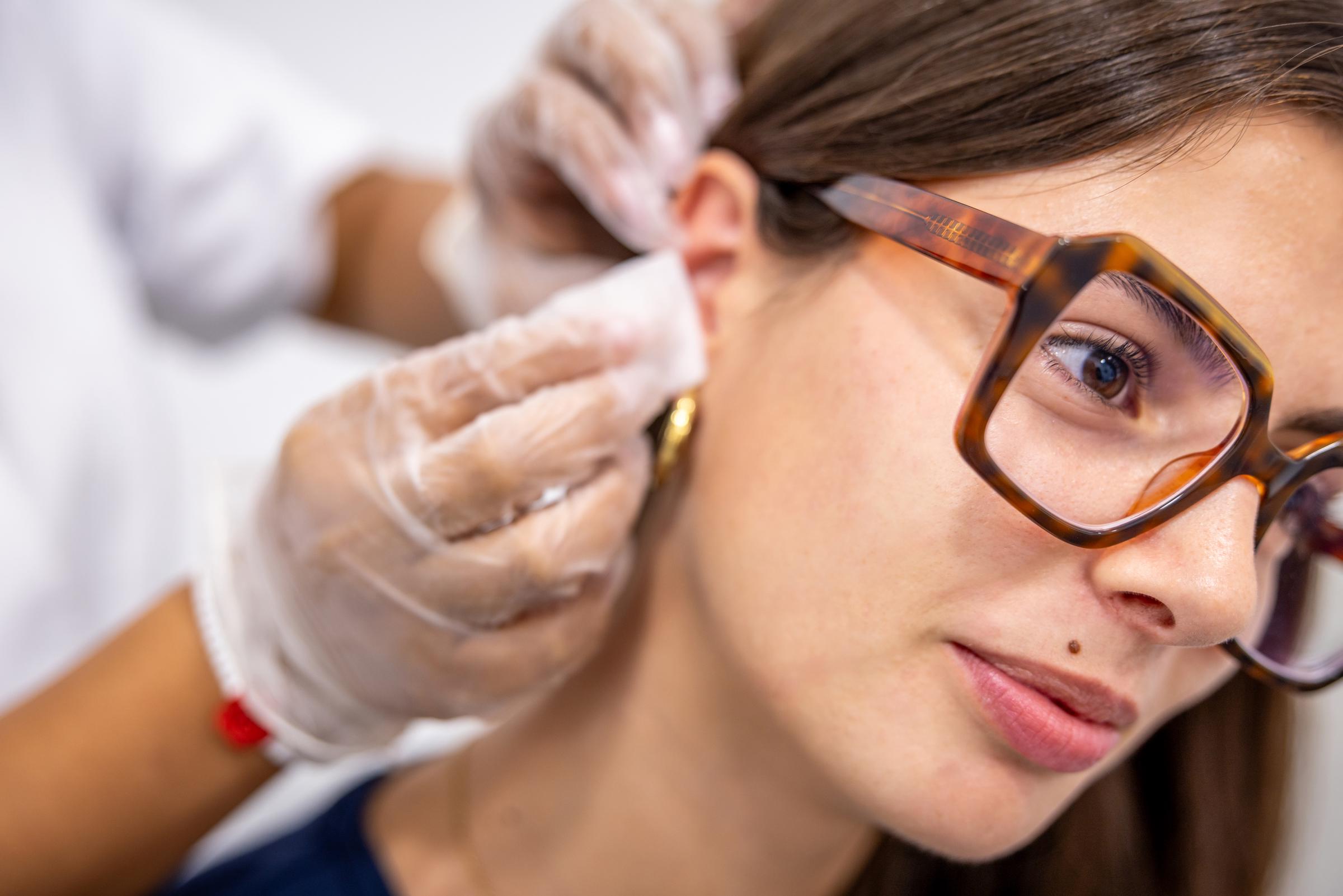
A young woman getting her ears professionally cleaned | Source: Getty Images
Another budget-friendly option is mineral oil drops. “You only need a couple of drops at a time,” Peng says. “The mineral oil lubricates and softens the wax but doesn’t swell it up. It helps migrate the wax to the outer canal so that you can wipe it clean.”
If your ears still feel plugged, book an appointment with an ear, nose, and throat specialist, who can use special tools designed to remove earwax safely. In the meantime, find out how often you should really be hitting the shower.





Leave a Reply