
With the FIFA World Cup 2026 set to become the biggest tournament in football history, host cities across the United States, Canada, and Mexico have been promised a massive economic boost. But as kickoff approaches, some experts are questioning whether the financial rewards will be as impressive as advertised.
Organizers have promoted the tournament as a once-in-a-generation opportunity that will attract millions of visitors, generate billions of dollars in spending, and create thousands of jobs. Cities hosting matches have invested heavily in transportation upgrades, security planning, infrastructure improvements, and fan experiences in anticipation of the global event.
Supporters argue that the World Cup will bring significant tourism revenue as fans from around the world fill hotels, restaurants, bars, and entertainment venues. Local businesses are expected to benefit from increased spending, while international exposure could help attract future investment and tourism long after the final match is played.
However, economists caution that the actual impact may be smaller than many forecasts suggest. Studies examining previous World Cups and other major sporting events have often found that projected economic benefits can be overstated. Some visitors who would normally travel to host cities may avoid them during the tournament due to higher prices, crowds, and travel disruptions.
Critics also point out that many of the profits generated by major international events do not always stay within local communities. Large hotel chains, international sponsors, and global corporations often capture a substantial share of the revenue, while local governments are left responsible for many of the costs associated with hosting.
Security has become another major expense. Authorities across North America are preparing for unprecedented crowds, requiring additional police officers, emergency services, transportation management, and cybersecurity measures. These costs can quickly add up and reduce the overall economic gains.
Despite the concerns, city leaders remain optimistic. Many believe the World Cup’s long-term value extends beyond immediate financial returns. Hosting matches on the world’s biggest sporting stage offers international visibility that few marketing campaigns could ever match.
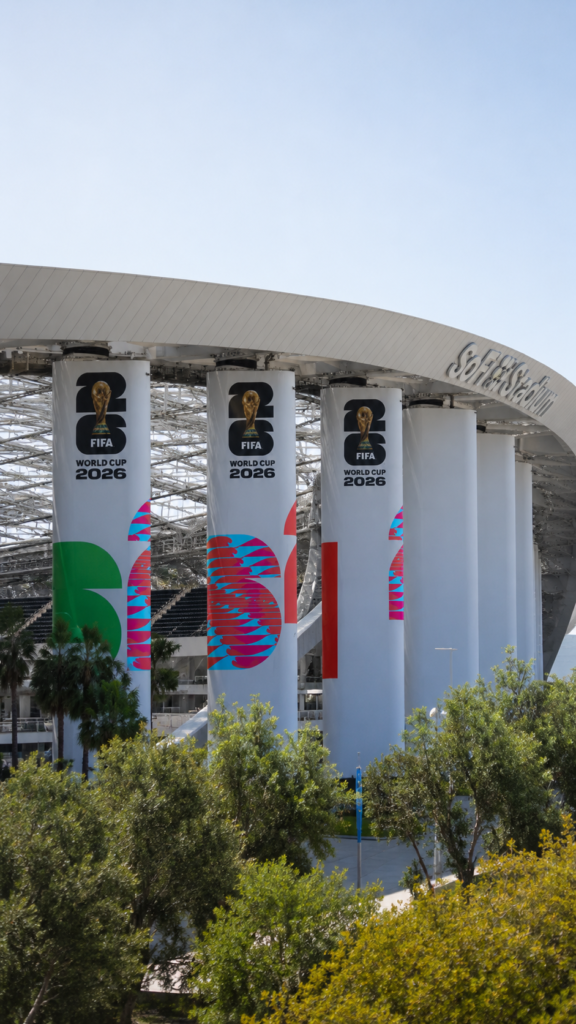
The debate highlights a question that has followed major sporting events for decades: Do host cities truly win financially, or are they simply paying a premium for global attention?
As millions of fans prepare to descend on North America next year, the answer may not become clear until long after the final whistle blows…





Leave a Reply